

Web Development

App Development
E-Commerce Solutions

UI/UX Design

ERP Software

IT Resource Outsourcing

Digital Marketing

Emerging Technologies
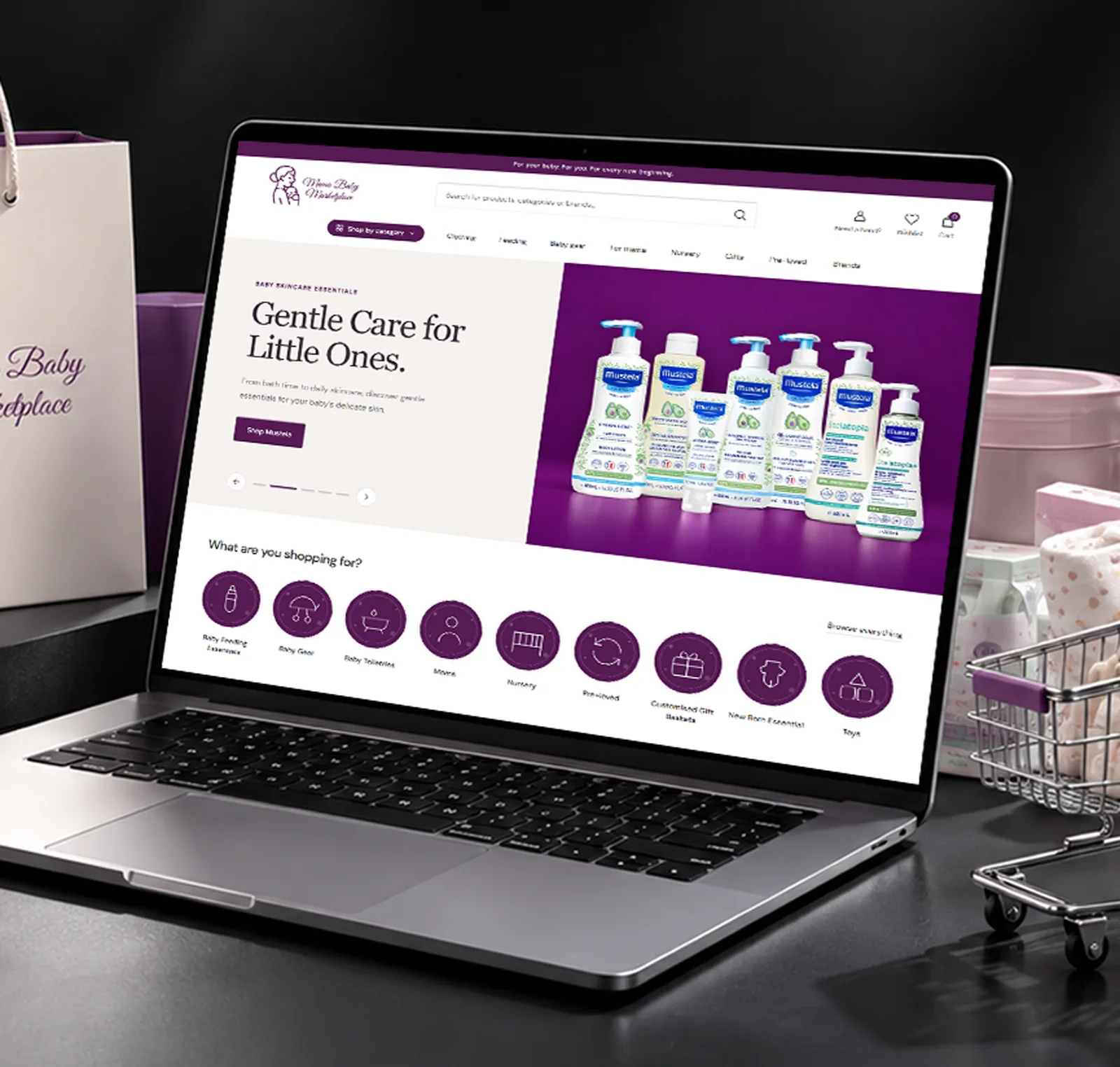
Your store has more than products in it. There are customers who know where to find you, orders your team needs to reference, and search traffic you have worked to earn.
A store usually outgrows its platform gradually. Updating the catalogue gets more complicated, an essential integration becomes unreliable, or even a simple promotion requires a workaround. Those problems can affect daily operations long before they are visible to shoppers. If your business has reached that point, migration may be a better solution than adding another temporary fix.
But moving to Shopify, WooCommerce, Magento, or another platform is not a copy-and-paste exercise. Each system handles product variations, customer accounts, discounts, and order records differently. The same is true of themes, checkout settings, and extensions. On top of that, changing URLs without a proper redirect plan can make important product pages harder to find. A sensible migration begins with understanding these differences, not just exporting a spreadsheet.
At Fixels Media, our ecommerce platform migration services begin with the parts of your store that customers and staff depend on. We identify what can be transferred, what needs configuring again, and where the new platform requires a different solution. With data checks, checkout testing, and a planned launch, the move becomes a manageable project rather than a leap into the unknown.
Reliable Delivery
Meeting Deadlines Consistently
5+
Years of Experience
UAE | USA | Pakistan
Markets Served
100%
In-House Development
























The visible storefront is only one part of the move. Product relationships, customer records, URLs, payments, stock updates, and internal workflows also need attention. A dependable website migration service should account for how these pieces fit together, not just whether the new homepage loads. We plan around those connections so the replacement store can support real orders from day one.
Before choosing a transfer method, we take stock of what is running today. That includes your catalogue, existing URLs, order history, plugins, payment methods, and the systems connected to your store. We flag technical limits and agree on the records and features that matter most. You get a migration plan with clear priorities, dependencies, and checks before work starts.
A change of platform should solve an operational problem, whether that means easier catalogue management, more suitable integrations, or better control over the buying experience. We compare the existing setup with the destination platform and map how products, discounts, customer groups, and workflows will behave. Where the systems work differently, we plan the replacement before moving the live store.
Moving from WooCommerce, Magento, or another solution to Shopify calls for careful treatment of collections, variants, product media, and customer records. Existing features may also rely on apps that do not have a direct Shopify equivalent. We identify which details can be imported, which features need new configurations, and what customers will notice when the store changes over.
WooCommerce migrations have their own considerations because the store sits within WordPress. Product types, account data, shipping rules, and plugin dependencies all affect the move. Whether you are coming into WooCommerce or leaving it for another platform, we map the essentials and review the resulting storefront and admin workflows, not just whether the import has completed.
Stores with large catalogues or complex pricing rules need a more detailed approach. Magento and Adobe Commerce can contain multiple store views, custom attributes, customer groups, and deeply connected systems. We review those relationships first, then decide how they should be represented on the new platform. That reduces the risk of finding out after launch that a business rule has been lost.
A product record is more than its name and price. Variants, SKUs, categories, attributes, stock levels, and images all need to line up correctly. We map these fields between systems, run sample transfers, and compare the results before proceeding with the larger catalogue. The aim is to catch missing options, broken media links, and mismatched product information while they are still easy to correct.
Past orders help with returns, support, and financial reporting, while customer profiles are important for repeat purchases. We assess which records the destination platform can accept and how historical information should remain accessible. Passwords and certain account details may not be transferable between systems, so we plan suitable sign-in arrangements and explain any customer-facing changes in advance.
A platform switch can change the URLs customers have bookmarked and Google has indexed. We inventory important product and category pages, match old addresses to their new locations, and plan appropriate 301 redirects. Metadata, internal links, canonicals, and XML sitemaps are part of the review too. These precautions can reduce avoidable SEO disruption, although search rankings may still change during reindexing.
A theme rarely moves intact from one platform to another. Instead, we identify the parts of your current storefront worth keeping, including navigation, brand elements, content, and product-page information, then adapt them to the new system. This is also an opportunity to address confusing layouts or outdated content without making returning customers relearn the entire shopping experience.
A successful catalogue import means little if customers cannot place an order. We review the checkout journey and configure suitable payment methods, shipping zones, currency settings, and VAT-related fields on the destination store. Gateway availability and merchant approvals can affect the final options. Before launch, we test prices, delivery charges, payment outcomes, confirmations, and other common order scenarios.
Many retailers rely on systems outside their storefront, including inventory platforms, accounting software, fulfilment tools, and customer support applications. We document these connections and determine whether they can be reconnected, replaced, or rebuilt. Where stock and order data move between systems, we check the synchronization flow so your team is not left resolving avoidable discrepancies after launch.
The final stage is about confidence, not just switching a domain. We verify migrated records, navigate the store on mobile and desktop, test checkout and operational tasks, and check redirects. The final data sync and cutover are planned around your trading schedule. Once the site is live, we monitor priority issues and help stabilize the new setup within the support scope agreed for your project.
There is no universal migration tool that handles every product, app, and customer record perfectly. We choose the appropriate combination of platform utilities, data imports, APIs, and validation tools for the stores involved. The technology serves the migration plan, not the other way around.





We separate planning, transfer, testing, and launch so each stage has a clear purpose. You can see what has been completed, what still needs approval, and what happens before the new store begins taking orders.
We begin with the existing website, not the destination theme. Products, customer data, URLs, operational tools, and key customer journeys are reviewed together. From there, we agree on the migration scope, highlight likely exceptions, and establish what must be checked before launch.




Moving stores is as much about understanding a business as understanding two platforms. A reliable ecommerce migration company needs to know what cannot afford to break, what can be improved, and where a platform change introduces trade-offs. That is the perspective we bring to the project.
Products are only one part of an active online business. We also examine customer access, fulfilment, promotions, order records, and connected tools. Planning around these everyday processes helps the new store support the people who actually use it.
Not every app, password, or custom feature can move unchanged. Instead of treating those limitations as last-minute surprises, we discuss them during planning. You can decide whether to replace a feature, rebuild it, or simplify the workflow with a clear understanding of the implications.
SEO preservation is not something to check after the new store is public. We consider important landing pages, redirect destinations, internal links, and indexability while the site is being rebuilt. The aim is to help search engines follow the move and reduce preventable losses, without making guarantees about rankings.
A Dubai-based retailer may depend on regional delivery rules, bilingual content, local payment arrangements, or VAT settings. Those requirements are reviewed against the destination platform so that the new store is prepared for the way your business takes and fulfils orders.
A migrated site is not ready simply because every page loads. We test the shopping journey and important operational tasks, document outstanding items, and make sure your team understands the new setup. That gives the handover a practical end point instead of leaving staff to discover issues on their own.
Migration may make sense when the current platform is difficult to maintain, cannot support essential integrations, or requires too many workarounds as your catalogue grows. It can also be worth considering if the checkout or back-office experience is slowing the business down. Before recommending a move, we would look at whether those problems can be solved more simply on the existing platform.
These are common migration routes, but the work required depends on the source, destination, and any custom features involved. Product data may transfer through import tools or APIs, while themes, checkout extensions, customer accounts, and business rules may need to be recreated. We review the current setup first and confirm the practical scope before proposing the transfer.
Rankings and traffic can fluctuate during a migration, especially when URL structures or important content change. We plan redirects, metadata transfer, internal links, indexing settings, and post-launch checks to reduce avoidable disruption. Search engines still need to process the new site, so it would be misleading to promise unchanged positions or immediate recovery.
A careful ecommerce data migration can transfer a range of customer and order records, depending on what each platform supports. Passwords often cannot be copied because they are stored securely in a form the new platform cannot reuse. Some subscription, loyalty, or gift-card information may also need special handling. We identify these limitations early and agree on a plan for customer access and historical records.
Much of the new store can usually be prepared and tested while the old one remains live. The final cutover, however, may involve a brief data freeze, DNS change, or maintenance window depending on the setup. We plan the timing around your orders and trading schedule, with a clear launch checklist and contingency steps. Zero downtime should not be assumed for every project.
The main factors are catalogue size, data quality, platform differences, required integrations, custom functionality, and the amount of testing needed. A basic transfer between standard store setups takes less work than moving a complex catalogue with ERP connections and a changed URL structure. When comparing ecommerce website migration services in Dubai, look for a scope that covers validation and launch checks as well as the data transfer. Once we examine the existing website, we can provide a project estimate rather than an unreliable flat price.
Some connections can be configured again on the destination store; others need alternative apps or custom development. Merchant approval and platform eligibility can also affect available payment methods. We review the integrations your business relies on, plan replacements where necessary, and test the relevant order and inventory flows before launch.
For a small store with few products and no custom integrations, self-migration may be practical. For a store processing regular orders, the harder parts are usually redirects, historical data, account access, payment settings, and final synchronization. A dedicated website migration service provides planning, technical checks, and a coordinated switch, making it easier to manage those risks while your team focuses on trading.
If you are considering a move, the first useful step is understanding what you have today and what the next platform needs to support. A responsible ecommerce migration company should help you assess the data, integrations, customer journeys, and SEO details before recommending a cutover plan. At Fixels Media, we start with those decisions so the process is grounded in how your store actually operates.
Tell Fixels Media what is no longer working on your current platform. We will help you work out what should change, what needs protecting, and what it will take to move with confidence.