
Web Development
App Development
E-Commerce Solutions

UI/UX Design

ERP Software

IT Resource Outsourcing

Digital Marketing

Emerging Technologies
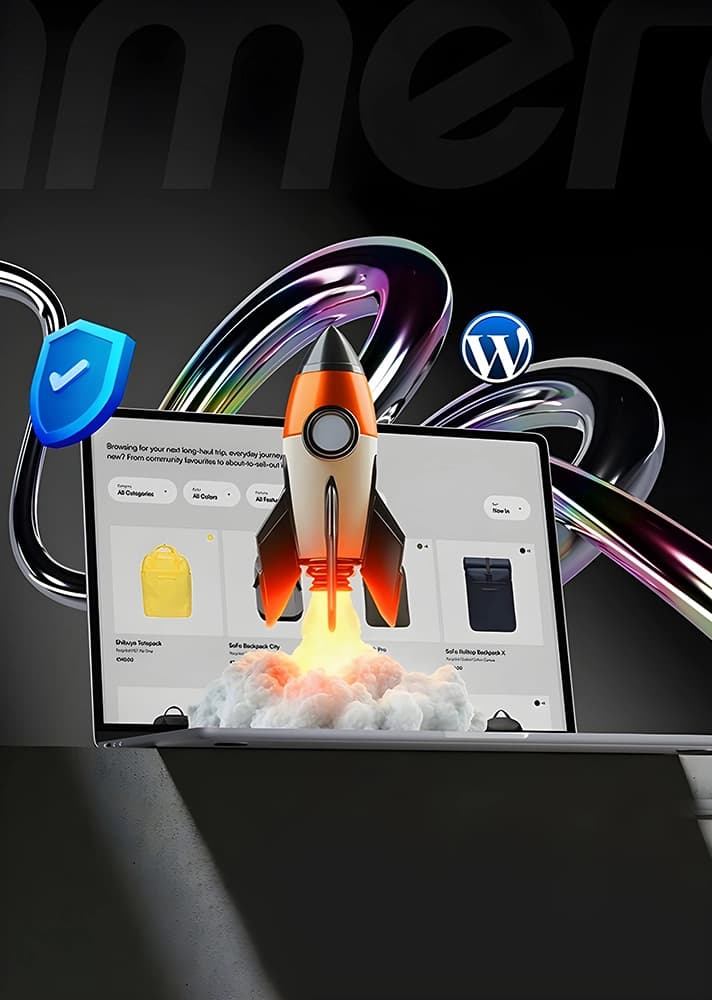
People don't shop in a straight line. They compare products, check the details, switch devices and sometimes come back before they buy. Your website should make that journey easier, not add to the effort.
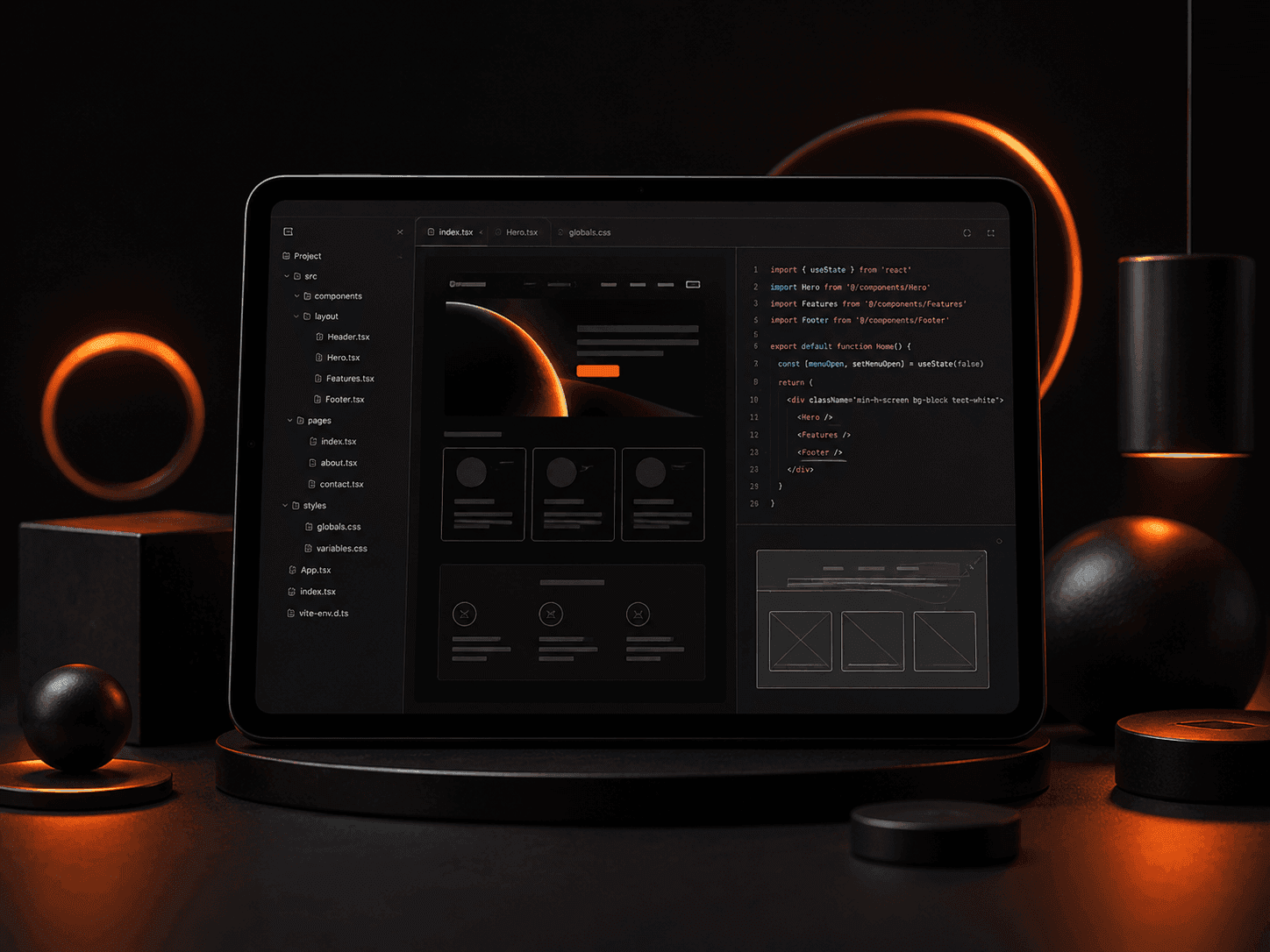
Your storefront may be the first real interaction someone has with your business. It can go wrong in surprisingly small ways: a size guide that is difficult to find, filters that make browsing tedious, or delivery information that appears only at the last step. Individually, these details seem minor. Together, they can turn a promising visit into an abandoned one.
We approach ecommerce website design by looking at the decisions people make before buying. How do they explore your range? What do they need to compare? What would help them feel comfortable placing an order? Those answers shape the navigation, product presentation, mobile layouts and checkout experience. The visual identity matters just as much, but it should make shopping clearer rather than compete for attention.
For businesses serving Dubai and the wider UAE, those choices often include mobile-first browsing, local delivery expectations and, where relevant, Arabic and English shopping journeys. Whether you are preparing to launch or your current store has outgrown its design, our job is to create an experience that suits your products, your customers and the way your business operates.
Reliable Delivery
Meeting Deadlines Consistently
5+
Years of Experience
UAE | USA | Pakistan
Markets Served
100%
In-House Development



















A great storefront is not one beautiful page. It is a set of small, connected decisions that make it easier to find a product, understand it and buy it. Our ecommerce website designers look at the whole journey, then give each part the attention it deserves.
Before we draw a homepage, we look at how customers reach a buying decision. We discuss your products, common questions, buying patterns and any friction visible in existing analytics or feedback. From there, we plan the key user flows and page priorities. The design starts with what shoppers need to accomplish, rather than assumptions about how they ought to behave.
Your store should be recognisably yours, not a standard theme with a new logo. Our custom ecommerce website design work combines typography, imagery, colour, spacing and purposeful interaction to express your brand across the storefront. We aim for a distinctive look without losing the familiar shopping conventions that help customers feel comfortable using a website.
The homepage has an important job: help first-time visitors understand what you sell and guide returning shoppers towards what they need. We build a clear hierarchy for collections, bestsellers, promotions and brand messages. For product launches or seasonal campaigns, we can also design landing pages that connect the offer to the right products and the next action.
Product pages are where interest becomes a decision. We organise imagery, prices, options, size or specification details, availability, delivery information and purchase actions so the essentials are easy to find. Different products call for different answers: clothing needs fit clarity, electronics need technical detail, and skincare needs suitability information. The design should respect those differences.
A large catalogue is only helpful when customers can make sense of it. We design category pages with clear product cards, useful filters, logical sorting and intuitive browsing paths. For more complex stores, we also consider how search, variations and stock status appear in the interface. The aim is simple: help people narrow their choices without losing their place.
Mobile shoppers have less screen space and little patience for awkward interactions. We design menus, filters, galleries, forms and purchase buttons with smaller screens in mind from the beginning. Readable product details, comfortable touch targets and layouts that adapt naturally across devices are central to the work, rather than adjustments made after the desktop version is finished.
Checkout should be the simplest part of a purchase, not the point where shoppers become unsure. We give clarity to quantities, discounts, delivery costs, order totals and the steps needed to complete an order. Where the platform permits, we also consider guest checkout, field labels, error handling and payment method presentation. Every detail should make the next step obvious.
Shopify offers a strong foundation for an online store, but the customer-facing design still needs to fit your products and your brand. We plan product templates, collection layouts, promotional sections and navigation around the way your business sells. We also think about how your team will update the storefront later, so everyday content changes remain manageable.
Some stores need more flexible product information, complicated catalogues or specialised buying journeys. We design customer-facing experiences for WooCommerce and Magento / Adobe Commerce with those needs in mind. From product options to category organisation and account screens, we consider how the interface should work and how it can be implemented within the platform.
A bilingual store needs more thought than translating buttons and headings. Arabic content can change reading direction, spacing, form layouts and navigation patterns. Where both languages are required, we plan the right-to-left and left-to-right experiences together. That way, neither version feels like an afterthought, and customers can shop in the language they are most comfortable using.
New products and campaigns should not make your website feel different every month. We establish repeatable elements such as product cards, buttons, forms, banners, navigation and page templates, along with practical rules for spacing and typography. A consistent design system keeps the store coherent as it grows and gives your team a reliable foundation for future changes.
If you already have a store, starting over is not always the right answer. We review the current experience to find where navigation, product presentation, mobile usability or checkout could be clearer. Then we prioritise changes that address actual problems while keeping what already works. A considered redesign should make the store easier to use, not simply make it look new.
A storefront has to work beyond the design file. Product catalogues change, promotions come and go, and customers visit on all kinds of screens. We choose the design tools and development technologies that make sense for your platform, project scope and ongoing store management.










Good design comes from making the right decisions in the right order. We start with your business and your customers, resolve the main journeys before polishing the visuals, and review how the final experience works across devices.
We get to know your products, audience, goals and day-to-day requirements. If you already have a website, we review what is working and where customers may be getting stuck. We also discuss the platform, content and operational constraints early. This gives the project a useful brief instead of a list of visual preferences.

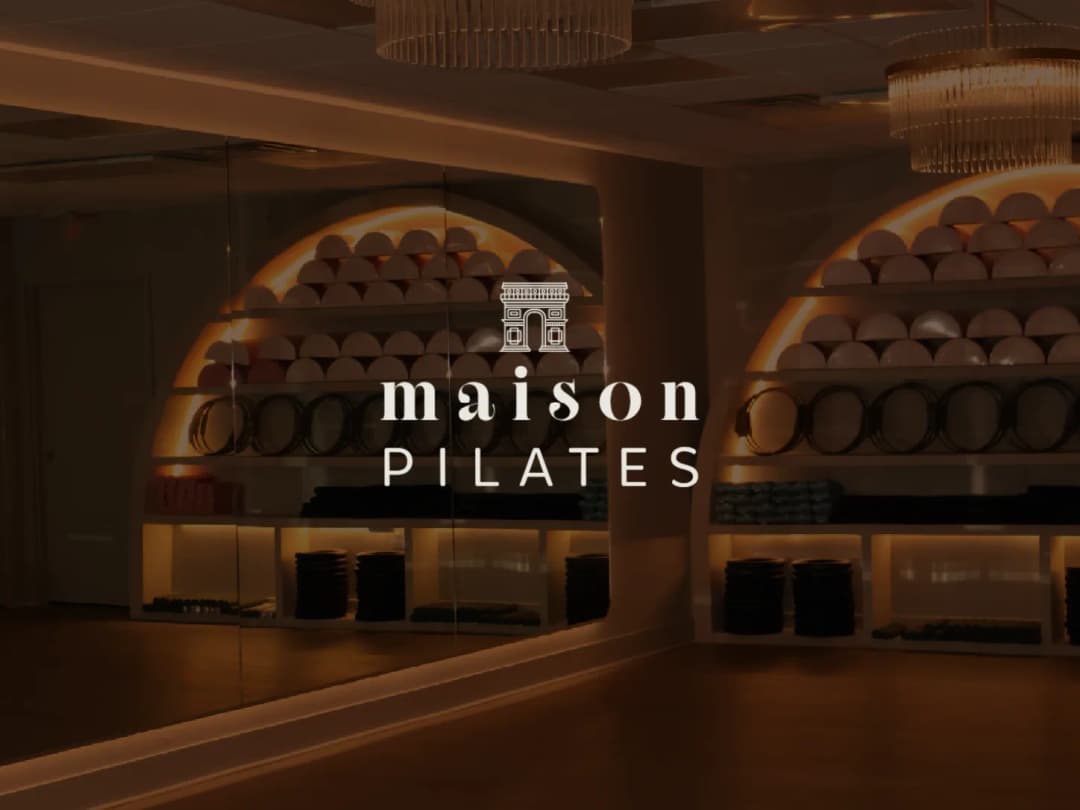


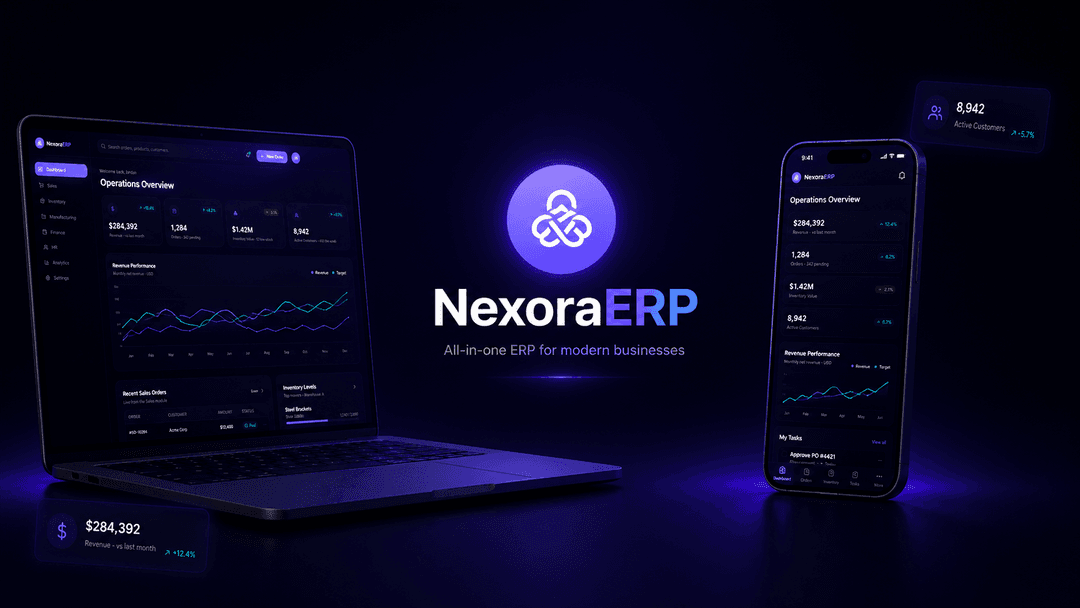
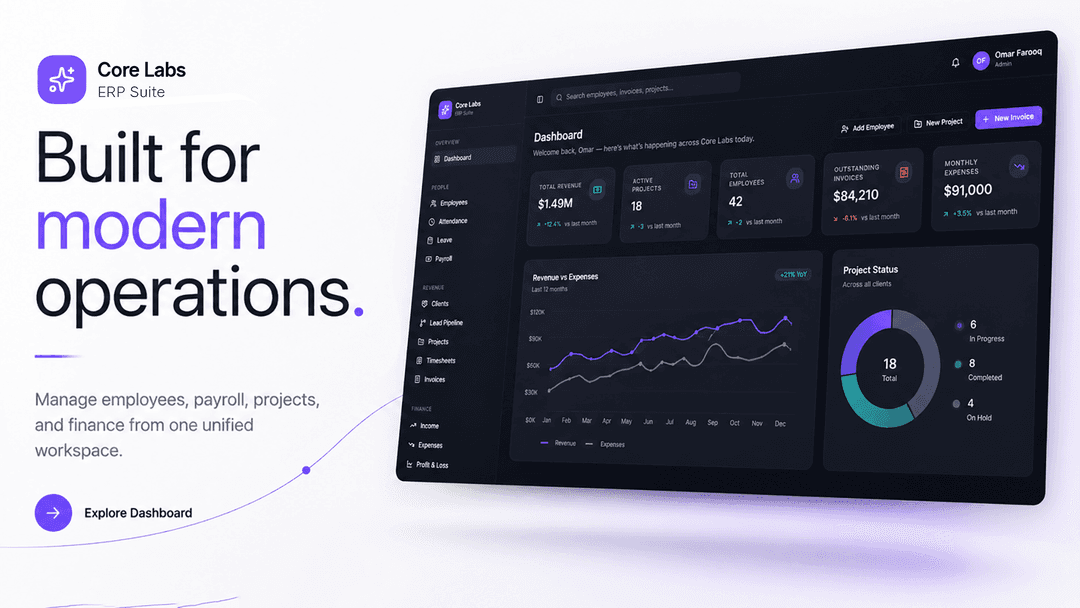
When choosing an ecommerce website design company in Dubai, you need more than a portfolio of attractive homepages. You need people who understand the catalogue behind the design, the customers using it and the platform that will bring it to life. That is the perspective we bring to every project.
Design choices change depending on what you sell. A fashion customer needs confidence in sizing; a furniture buyer wants dimensions and delivery details; a shopper comparing electronics needs clear specifications. We organise information around those decisions so the design feels genuinely useful, not merely polished.
A good ecommerce layout should be intuitive without making every business look identical. We draw from your identity, products and customers to build a visual language that suits the store. The result balances brand personality with the familiarity shoppers need to navigate comfortably.
A concept is only valuable if it can work on your chosen platform. We account for theme flexibility, product templates, responsive behaviour and technical constraints while the design is taking shape. This makes the handover clearer and reduces the gap between what is approved and what customers eventually use.
Dubai customers may look for mobile convenience, clear delivery terms, familiar payment options or an Arabic-language experience. Not every store needs every feature, so we first establish what matters to your audience. Those priorities then influence the interface rather than being added as decorative extras.
Your website will change after launch. New collections, promotions and products are part of running an ecommerce business. We favour reusable layouts and consistent components that help your team keep the experience tidy as content changes, without having to reinvent the design with every update.
Our ecommerce website design services cover the customer-facing experience: site structure, navigation, homepage and collection layouts, product page design, mobile interfaces, cart and checkout journeys, and reusable visual components. Depending on your requirements, the project may also include research, wireframes and clickable prototypes. Development, integrations and ongoing support are scoped separately where needed, so you know exactly what is included before work starts.
The cost depends on the scope of work. A redesign of a few high-impact pages is different from designing a complete storefront with several product types, custom buying flows and Arabic and English versions. The platform and amount of development support also matter. After reviewing your catalogue and requirements, we can outline deliverables and provide a quote rather than guessing from the number of pages alone.
Yes, we can structure ecommerce website design packages around the work your business actually needs. A new brand may require a full set of core store pages, while an established retailer may only need better product layouts or a mobile-first redesign. We define the page types, design deliverables, review stages and any implementation support in the proposal, so the scope is clear.
Yes. We can design storefront experiences for Shopify, WooCommerce and Magento / Adobe Commerce, along with custom ecommerce projects where appropriate. Each platform has different strengths and limitations, particularly around templates and checkout customisation. We consider those early and recommend a design approach that fits your catalogue, management needs and technical setup.
Timelines vary according to the number of page templates, product complexity, content readiness and feedback cycles. A focused refresh can take considerably less time than a full custom storefront with bilingual screens and detailed prototypes. We set out the design phases and expected milestones after discussing the scope, rather than promising the same turnaround for every project.
Often, yes. If your current platform can support the changes you need, we can improve navigation, product pages, category layouts and mobile usability without replacing the entire website. We first review what can be changed within the existing setup and explain where a deeper development change may be necessary. That helps you make the decision on cost and disruption with more confidence.
Yes. We can plan both language experiences, including right-to-left Arabic layouts where required. That covers elements such as navigation direction, spacing, forms and how content fits across screens. Translation and localisation of the written content can be handled within the agreed scope or supplied by your team. Planning for both languages at the start generally produces a more consistent result.
Ecommerce web design focuses on how shoppers experience the store: how information is organised, how products are presented and how the interface guides people to checkout. Development is the technical work that makes those designs function, including platform setup, custom features and integrations. Both matter, but this page focuses on designing the storefront experience. For a more technical build, our custom ecommerce development service covers that side of the project.
Tell us what you sell, what your customers need and what you want to improve. Whether you are building a new storefront or rethinking an existing one, Fixels Media can help shape a design that feels like your brand and makes shopping simpler at every stage.