








Starting an online business in the UAE offers exciting opportunities, but understanding the investment required is an important first step. The cost of developing an e-commerce website depends on several factors, including design, functionality, platform selection, and business requirements. Whether you are launching a small online store or building a large digital marketplace, having a realistic budget helps you make better decisions. If you are planning to establish an online presence, consulting an experienced ecommerce solutions company in dubai can help you understand your development requirements and receive a project estimate. This guide explains the ecommerce website cost in UAE, the factors that influence pricing, and the additional expenses businesses should consider before investing.
How Much Does an E-Commerce Website Cost in the UAE in 2026?
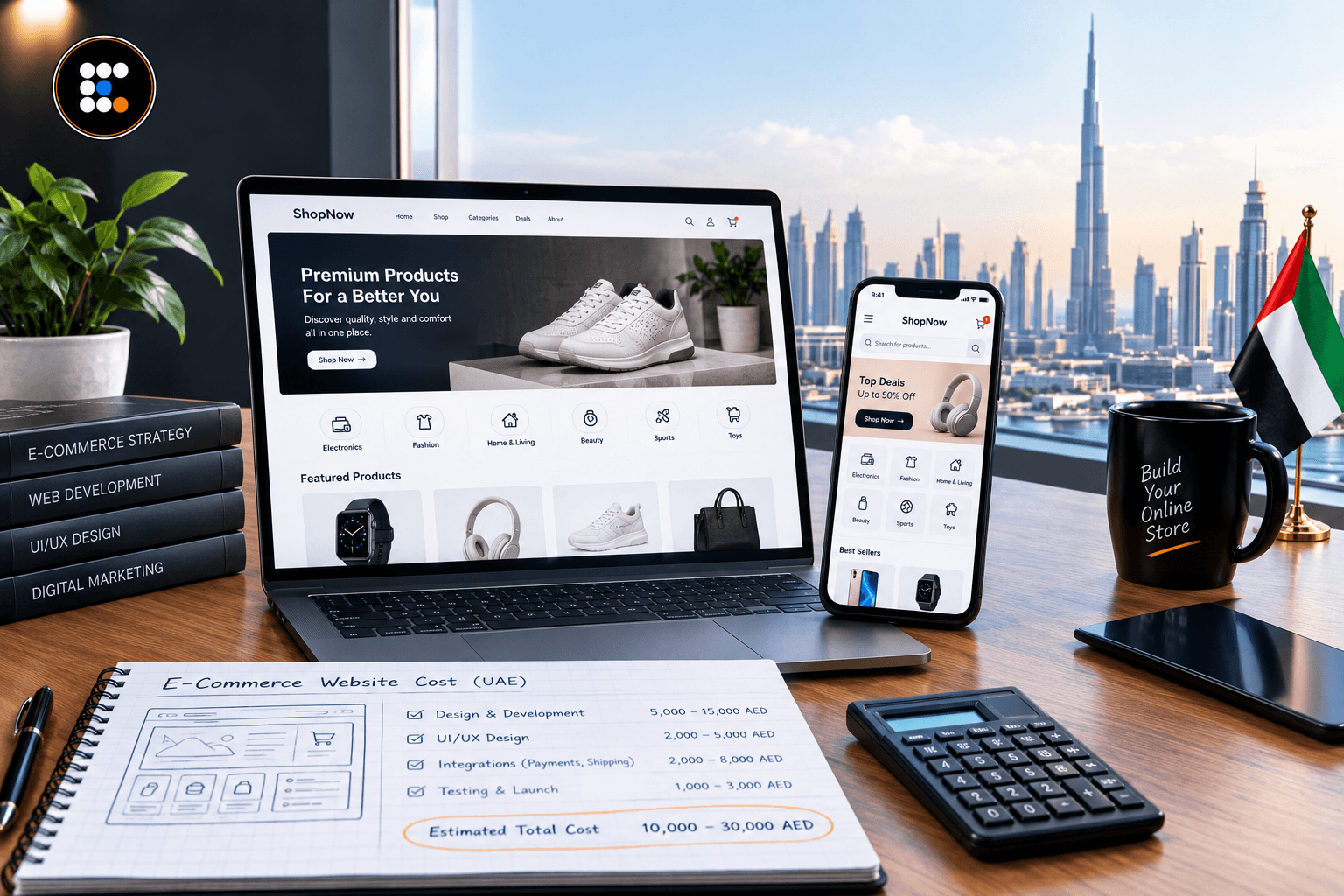
The cost of developing an e-commerce website in the UAE varies significantly depending on the size, complexity, and functionality of the online store. A basic website with essential shopping features generally costs between AED 5,000 and AED 15,000, making it a potential starting point for small businesses and new entrepreneurs.
A professional e-commerce website with custom design elements, improved product management, and additional functionality may cost approximately AED 15,000 to AED 40,000. Businesses requiring advanced integrations, personalized shopping experiences, or complex inventory systems could spend between AED 40,000 and AED 120,000.
Enterprise-level platforms with extensive customization and sophisticated business operations can exceed AED 120,000.
These figures are approximate market estimates rather than fixed prices. The final investment depends on your specific requirements, development approach, and the services included in your project quotation.
Key Factors That Affect E-Commerce Website Development Costs
Several factors influence the overall cost of building an e-commerce website, and understanding them can help businesses avoid unnecessary expenses. Website complexity is one of the biggest considerations because advanced features require additional development time, technical expertise, and testing.
A basic online store typically includes product listings, shopping cart functionality, customer registration, and payment processing. However, businesses looking for personalized recommendations, subscription services, advanced product filters, or automated inventory management will usually require a larger development budget.
Design requirements also contribute to pricing. Template-based websites are generally more affordable, while custom-designed stores involve additional planning and development.
The number of products, language options, payment methods, and integrations with existing business systems can also affect costs. Businesses should prioritize essential features and consider introducing additional functionality as their online operations expand.
How Does Your E-Commerce Platform Choice Affect the Cost?
Choosing the right e-commerce platform is an important financial decision because it influences both initial development expenses and ongoing maintenance costs. Businesses generally choose between hosted platforms, open-source systems, and fully customized website solutions.
Hosted platforms often provide ready-made functionality through monthly or annual subscriptions. They can be suitable for businesses that want a relatively straightforward setup without managing complex technical infrastructure.
Open-source platforms offer greater flexibility and customization opportunities, although businesses may need to pay separately for hosting, security, extensions, and technical maintenance. Fully customized platforms typically require higher upfront investment but may be appropriate for businesses with specialized operational requirements.
Before selecting a platform, consider your product range, expected sales volume, available budget, and future expansion plans.
For a more detailed understanding of available options, read How to Choose the Right E-Commerce Platform for Your Business in Dubai to identify an approach that aligns with your business needs.
Payment Gateway, Shipping, and Third Party Integration Costs
An e-commerce website needs reliable payment and delivery systems to provide customers with a convenient shopping experience. However, integrating these services may involve additional development and operational expenses that businesses should consider during budget planning.
Payment gateways allow customers to complete transactions through debit cards, credit cards, and other supported payment methods. Providers generally charge transaction fees, while certain services may involve setup charges or additional costs for international payments.
Shipping integrations are another consideration. Businesses may require automated delivery charges, courier connections, shipment tracking, and order status notifications to manage customer purchases efficiently.
Companies handling large product inventories may also need connections with accounting, warehouse management, or customer relationship management systems.
When comparing ecommerce website development Dubai service providers, confirm which integrations are included in the development quotation. Understanding these costs beforehand helps prevent unexpected financial commitments after the website launches.
E-Commerce Licensing and VAT Requirements in the UAE
Operating an e-commerce business in the UAE involves more than developing a website. Businesses must also consider licensing, taxation, and regulatory requirements before beginning online commercial activities.
The UAE regulates modern technology-based trade under Federal Decree Law No. 14 of 2023. Businesses conducting online commercial activities generally require appropriate licences, with specific requirements depending on their location, business structure, and activities.
Licensing expenses vary, so businesses should confirm the applicable requirements with the relevant authorities rather than assuming a standard cost.
Taxation is another important consideration. The UAE applies a standard Value Added Tax rate of 5%. For UAE resident businesses, mandatory VAT registration generally applies when taxable supplies and imports exceed AED 375,000 over the previous 12 months or are expected to exceed that threshold within the next 30 days.
Planning for these obligations helps businesses prepare more accurately for launching and operating an online store.
Hidden and Ongoing Costs of Running an E-Commerce Website
Many business owners focus primarily on the initial development quotation without considering the recurring expenses associated with maintaining an online store. These ongoing costs can influence profitability and should be included in the overall business budget.
Domain registration, website hosting, security services, software subscriptions, and technical maintenance are common operational expenses. Some websites also require premium extensions or paid integrations to support additional functionality.
Marketing is another important investment. Search engine optimization, digital advertising, product photography, and content creation can help attract potential customers and improve online visibility.
Businesses should also account for website updates, performance improvements, security monitoring, and compatibility testing. These activities help maintain website functionality and provide customers with a reliable shopping experience.
When planning ecommerce website development in the UAE, evaluating the total cost of ownership rather than focusing entirely on the initial quotation can support better long-term financial decisions.
How to Plan a Realistic E-Commerce Website Development Budget
Developing a realistic budget starts with understanding your business goals and identifying the features your website genuinely needs. Rather than investing in every available function immediately, focus on the elements required to launch and operate your online store successfully.
Begin with essential features such as product catalogs, secure checkout, order management, and customer accounts. More advanced functionality, including loyalty programs, personalized recommendations, and sophisticated automation, can be introduced as the business grows.
Request detailed development proposals that clearly explain project deliverables, timelines, payment milestones, and ongoing support arrangements. Comparing multiple quotations can help identify differences in technical scope and service quality.
It is also sensible to allocate additional funds for unexpected requirements and improvements after launch.
A practical development budget should balance affordability with performance, customer experience, and future scalability, allowing businesses to invest in features that support measurable operational needs.
How to Choose the Right E-Commerce Development Company in Dubai
Selecting an experienced development partner is essential for building an e-commerce website that meets your business requirements. While pricing matters, technical expertise, communication, project management, and ongoing support should also influence your decision.
Begin by reviewing previous projects to understand the company's experience with similar online stores. Examine website functionality, design quality, mobile responsiveness, and overall usability.
Ask potential developers about their approach to planning, platform selection, payment integration, website security, and testing. A reliable team should clearly explain its development process and provide realistic project timelines.
Businesses unfamiliar with professional development services can explore What Does an E-Commerce Solutions Company in Dubai Actually Do? to understand what to expect from a development partner.
Choosing a company that understands your operational requirements can help reduce development challenges and support your online business as it expands.
Final Thoughts
Understanding e-commerce website development costs in the UAE allows businesses to make informed investment decisions and prepare for both initial and ongoing expenses. While smaller online stores may require a relatively modest budget, advanced platforms demand additional resources for design, integrations, development, and maintenance.
The right investment depends on your business objectives, technical requirements, and plans for future growth. Prioritizing essential features, selecting a suitable platform, and working with experienced developers can help create a reliable foundation for your online operations.
Fixels Media offers e-commerce development solutions tailored to different business requirements. Whether you are launching your first online store or improving an existing website, discussing your project with an experienced development team can help you understand the available options, establish a realistic budget, and move forward with a clearer development strategy.