








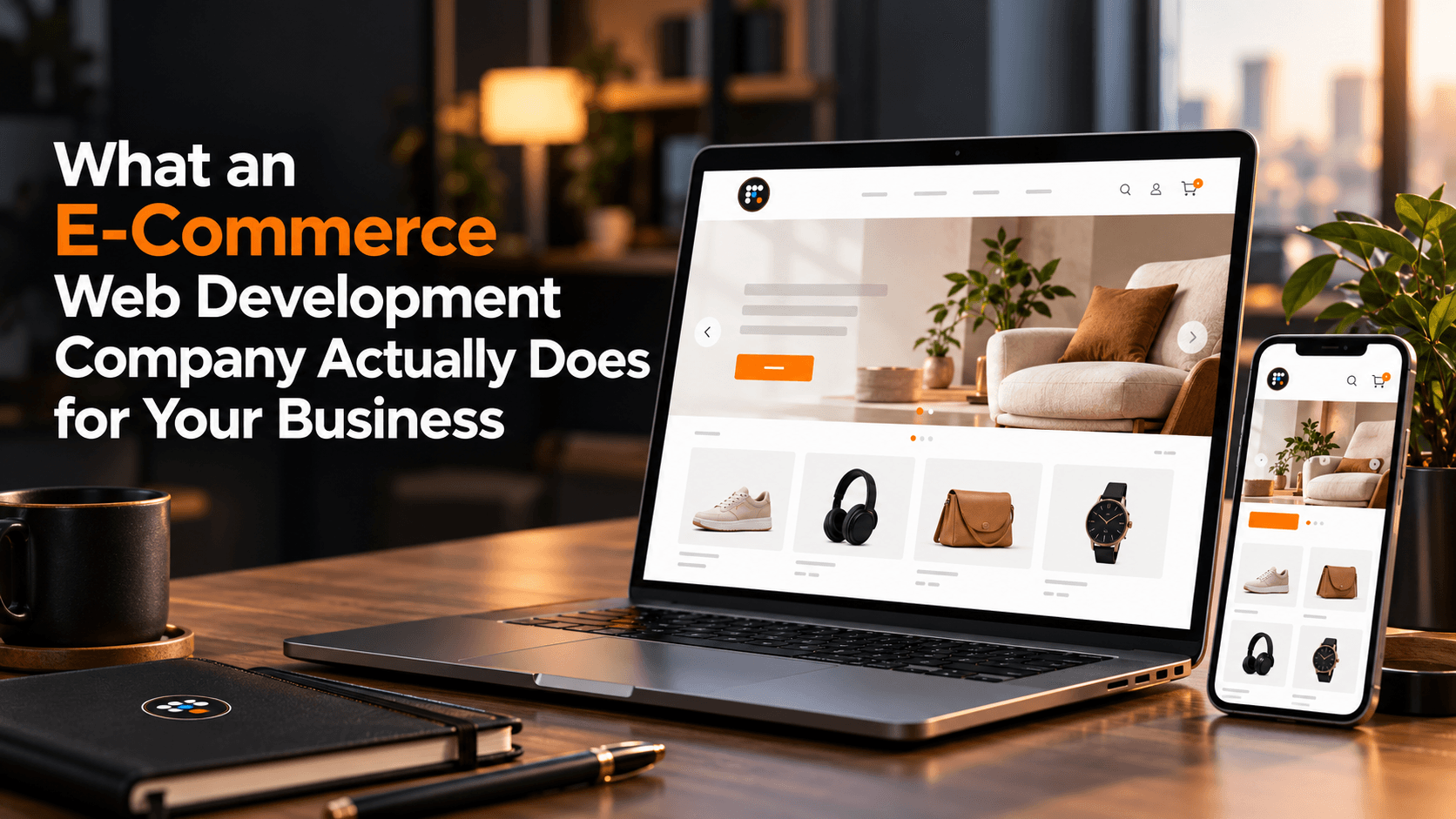
Launching an online store is easier than ever, but building one that consistently attracts customers and generates sales requires more than an attractive website. From product management and secure payments to website performance and customer experience, every element plays a role in your business success. A professional ecommerce web development company brings these elements together to create a reliable, functional, and scalable online shopping experience. Whether you are starting a new business or improving an existing store, working with an experienced ecommerce solutions company can help you choose the right technology, avoid costly development mistakes, and build a website that supports your long term business goals.
What Is an Ecommerce Web Development Company?
An ecommerce web development company specializes in creating, customizing, and maintaining websites that allow businesses to sell products or services online. Unlike a general website developer, an ecommerce specialist focuses on the entire online purchasing process, from helping customers discover products to completing transactions securely.
Its responsibilities include website design, product catalog development, shopping cart functionality, payment integration, inventory management, and technical maintenance. Developers also ensure that different systems work together efficiently. For example, when a customer completes an order, the website should update inventory, generate an order confirmation, and provide the business with accurate transaction information. This coordination helps businesses manage everyday operations more efficiently.
Why Your Business Needs More Than Just an Online Store
Having an online store does not automatically mean customers will buy from it. Visitors expect websites to load quickly, display accurate product information, provide simple navigation, and offer a convenient checkout experience. If any part of that process becomes difficult, potential customers may leave before purchasing.
Professional ecommerce development addresses these challenges by connecting website functionality with actual business requirements. A clothing retailer might need size variations, stock tracking, and return management, while an electronics business may require detailed product specifications and warranty information. Instead of relying on a generic template, developers create shopping experiences suited to the products, customers, and operational needs of each business.
Key Services an Ecommerce Web Development Company Provides
Custom Ecommerce Website Design and Development
Website design creates the first impression, but effective ecommerce design must also make shopping convenient. Professional developers organize product categories, search functionality, navigation menus, and product pages so customers can find what they need without unnecessary effort.
Custom development allows businesses to create features that standard website templates may not provide. These can include advanced product filters, personalized recommendations, customer accounts, and flexible promotional offers. A well designed website should also reflect the brand's identity through consistent typography, imagery, and messaging. The objective is not simply to create an attractive storefront but to make every interaction feel clear, trustworthy, and relevant to the customer.
Ecommerce Platform Selection and Integration
Choosing the right ecommerce platform affects how easily a business can manage its website today and expand it tomorrow. Popular options include Shopify, WooCommerce, Magento Open Source, and Adobe Commerce, each offering different levels of customization, maintenance requirements, and technical flexibility.
An ecommerce development team evaluates factors such as business size, product complexity, available budget, and integration requirements before recommending a suitable platform. It can also connect the store with accounting software, inventory systems, shipping services, and customer relationship management tools. These integrations reduce repetitive administrative work and help maintain consistent information across business operations. Making the right platform decision early can prevent expensive migrations as the business grows.
Payment Gateway and Checkout Optimization
Payment processing is one of the most important parts of any ecommerce website. Customers need confidence that their payment information is handled securely and that the checkout process will work without unnecessary complications.
Developers integrate suitable payment gateways, configure payment methods, and test the ordering experience across different devices. They can also simplify checkout forms, enable guest purchases, display delivery charges clearly, and reduce unnecessary steps. In Dubai, payment solutions must support the business's target customers and relevant regional payment options. A smooth checkout experience cannot guarantee more sales, but it can remove avoidable obstacles that prevent interested shoppers from completing purchases.
Mobile Responsiveness and User Experience
Many customers discover products, compare prices, and shop using smartphones. An ecommerce website must therefore provide a consistent experience across mobile devices, tablets, and desktop computers.
Responsive development ensures that product images, navigation menus, buttons, and checkout forms adjust properly to different screen sizes. Developers also consider touch friendly controls, readable text, accessible navigation, and efficient image loading. These improvements make it easier for customers to browse and purchase products without frustration. For businesses investing in ecommerce web design dubai, mobile usability should be a core development requirement rather than an additional feature introduced after the desktop website is complete.
How Ecommerce Development Supports Sales and Business Growth
A professionally developed ecommerce website supports growth by making purchasing easier and business operations more manageable. Features such as product recommendations, customer reviews, relevant promotional offers, and abandoned cart recovery can help businesses improve the shopping journey.
Development teams can also implement analytics tools to understand how customers use the website. Metrics such as product views, cart additions, checkout starts, and completed purchases reveal where customers engage and where they leave. These insights allow businesses to make informed improvements rather than relying on assumptions. For example, if many shoppers begin checkout but few complete it, reviewing payment options, delivery information, and checkout usability may reveal opportunities for improvement.
The Role of SEO, Website Speed, and Security in Ecommerce Success
An ecommerce website needs to be discoverable, fast, and secure to support sustainable online growth. Search engine optimization helps search engines understand product categories, individual product pages, and the overall structure of the website.
Developers support technical SEO through descriptive URLs, internal linking, structured product data, mobile accessibility, and properly configured page indexing. Website performance is equally important because slow loading pages can interrupt the shopping experience. Image optimization, efficient code, and appropriate hosting help improve speed. Security measures, including HTTPS, controlled access, software updates, and secure payment integrations, protect important systems and information. Together, these practices provide a stronger technical foundation for customer trust, search visibility, and website reliability.
Why Businesses Choose an Ecommerce Development Company in Dubai
Dubai offers opportunities for businesses serving local customers, international shoppers, and audiences across the wider UAE. However, developing an effective online store requires an understanding of regional purchasing expectations and operational requirements.
An experienced ecommerce development company in dubai can help businesses configure AED pricing, suitable payment methods, shipping zones, and customer communication features. Depending on the target audience, Arabic and English language support may also improve accessibility. Businesses must additionally consider applicable licensing, consumer protection, data privacy, and VAT requirements, including the UAE's standard 5% VAT rate. While developers do not replace legal or tax advisers, they can implement website functionality that supports a business's compliance processes and daily operations.
What to Look for When Hiring an Ecommerce Web Development Company
Choosing a development partner should involve more than comparing prices or reviewing attractive website designs. Businesses should examine previous ecommerce projects, technical capabilities, communication practices, and experience with relevant platforms.
Ask prospective developers how they approach website planning, performance testing, security, integrations, and support after launch. A reliable company should explain its recommendations clearly and understand the commercial objectives behind the project. It should also provide realistic project requirements and identify possible limitations before development begins. For further guidance, explore How to Choose the Right E-Commerce Platform for Your Business in Dubai, What Does an E-Commerce Solutions Company in Dubai Actually Do? to better understand the decisions involved in selecting a platform and development partner.
Building an Ecommerce Website That Grows With Your Business
An ecommerce website should support the business you operate today while providing enough flexibility for future expansion. As orders increase, you may need additional product categories, automated workflows, new payment options, or integration with external marketplaces.
Scalable development involves selecting appropriate technology, maintaining a manageable website structure, and ensuring that new features can be introduced without disrupting existing operations. Regular maintenance is also essential. Software updates, backups, performance monitoring, and functionality testing help keep the website dependable. Rather than viewing development as a one time expense, businesses benefit from treating their ecommerce platform as a long term investment that evolves alongside customer needs and commercial goals.
Conclusion:
A successful ecommerce website is more than a digital product catalog. It is a sales channel, customer experience platform, and operational tool that connects different parts of your business.
From custom website design and payment integration to technical SEO, mobile optimization, and ongoing maintenance, a professional ecommerce web development company helps create the foundation for reliable online selling. The right development approach also makes it easier to understand customer behavior, improve business processes, and prepare for future growth. By choosing a development partner that understands both technology and commercial objectives, businesses can build an online store that delivers lasting value instead of simply establishing an online presence.