








When businesses start researching website design and development services, the phrase often gets treated as a single, vague line item, "we'll build you a website." In reality, it covers a wide range of distinct disciplines, each contributing to whether the final product actually performs. Understanding what should be included helps you evaluate proposals accurately, avoid scope surprises halfway through a project, and know exactly what you're paying for.
This breakdown walks through every stage a proper website project should cover, from the first strategy conversation to the support that comes after launch. Whether you're comparing quotes or briefing a web development agency in Dubai for the first time, knowing this scope puts you in a much stronger position to choose the right partner.
Discovery and Strategy: The Foundation Before Any Design Begins
Before a single wireframe is drawn, a proper website project starts with discovery. This phase involves understanding your business goals, identifying your target audience, and researching what competitors in your space are already doing well, or poorly. A good team will ask about your sales funnel, the actions you want visitors to take, and how the website fits into your broader marketing strategy.
Skipping this stage is one of the most common reasons websites underperform after launch. A site built without clear goals tends to look fine but convert poorly, because decisions about layout, content, and functionality were made without a strategic anchor. Reputable providers of website design and development services treat discovery as a non-negotiable first step, not an optional add-on, since it directly shapes every decision that follows in design and development.
Why Your Business Needs a Local Web Development Company in UAE
Before getting into the specific stages of a website project, it's worth addressing who should actually deliver them. A Why Your Business Needs a Local Web Development Company in UAE provider brings context that generic or offshore teams often miss, familiarity with UAE-preferred payment gateways like Telr and PayTabs, experience implementing Arabic language and right-to-left (RTL) layouts correctly, and an understanding of local hosting and data residency expectations. A web development agency in Dubai also understands the competitive dynamics of the regional market, which shapes decisions around design, messaging, and functionality in ways an outside team simply can't replicate without that local grounding. Keeping this in mind while reviewing each stage below makes it easier to judge whether a provider is truly equipped to deliver the full scope.
UI/UX Design: Wireframes, Prototypes, and Visual Identity
Wireframing and User Flow
Once goals are defined, the design phase begins with wireframes, simple, low-fidelity layouts that map out where content, navigation, and calls-to-action will sit on each page. This step focuses purely on structure and user flow, not visuals, ensuring the site is intuitive before any color or styling gets applied. Mapping how a visitor moves from the homepage to a conversion point (a form, purchase, or booking) at this stage prevents costly redesigns later.
Visual Design and Branding
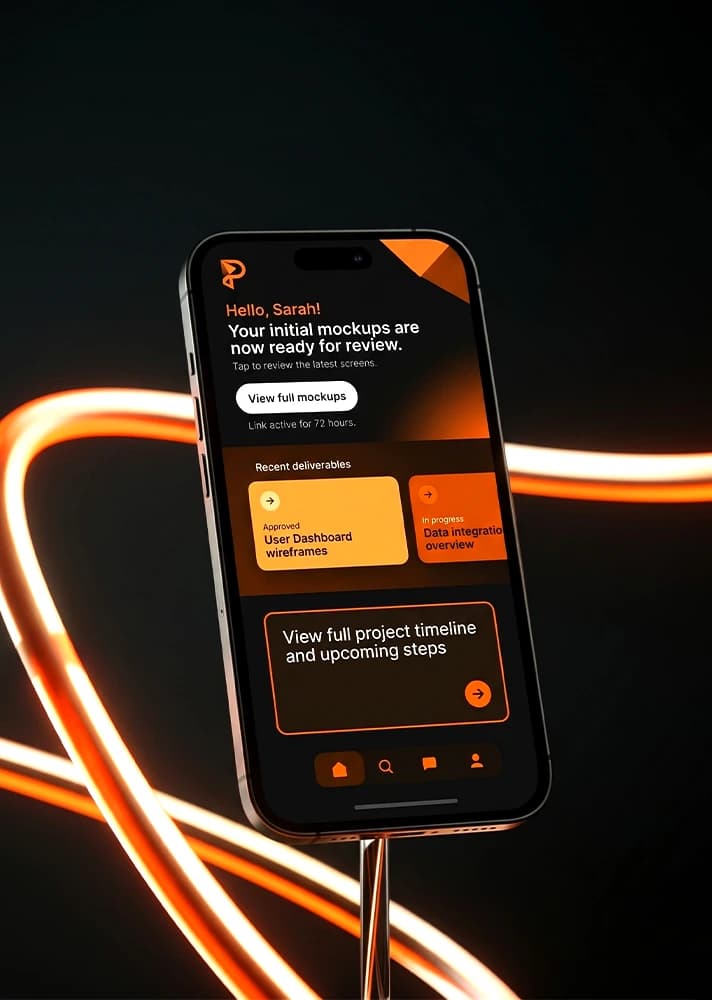
After the structure is approved, the visual design phase brings in typography, color palettes, imagery, and brand consistency. This is where the site starts to reflect your actual brand identity rather than a generic template. Good design balances aesthetics with usability, a site that looks striking but confuses visitors will still underperform. Deliverables at this stage typically include high-fidelity mockups or interactive prototypes that clients can review and approve before development starts.
Front-End and Back-End Development
Front-End Development
Front-end development turns approved designs into a functioning, interactive website. This includes coding the layout, animations, buttons, forms, and every element a visitor sees and clicks on. Front-end developers also ensure the site renders correctly across different browsers and screen sizes, which directly affects user experience and, ultimately, conversion rates.
Back-End Development
Back-end development is the invisible infrastructure that makes a site actually work, servers, databases, content management systems, and the logic connecting them. This is where forms get processed, user data gets stored securely, and dynamic content gets pulled and displayed. For businesses needing custom functionality, booking systems, membership portals, or integrations with internal software, back-end development is where that complexity gets handled. A capable website development company in Dubai will scope this work clearly upfront, since back-end complexity is often what separates a simple site from a full web application.
Content and Copywriting Support
Design and development create the framework, but content is what actually communicates value to visitors. Many full-service providers include copywriting support, structuring page content for readability, writing SEO-friendly headlines and body text, and sourcing or optimizing imagery. Even businesses that write their own copy benefit from guidance on structure, since how content is organized on a page affects both user engagement and search visibility. This service ensures the finished site doesn't just look complete, but reads clearly and persuasively too.
Mobile Responsiveness and Cross-Browser Compatibility
With the majority of web traffic now coming from mobile devices, responsive design isn't optional, it's a baseline requirement. This means the site automatically adjusts layout, image sizing, and navigation for phones, tablets, and desktops without losing functionality or visual quality. Cross-browser testing ensures the experience is consistent whether a visitor uses Chrome, Safari, Firefox, or Edge. Skipping this step often results in a site that looks great in demos but breaks or displays awkwardly for a large share of real visitors.
SEO Foundations Built Into the Development Process
Search visibility shouldn't be an afterthought bolted on after launch. Proper website design and development services build technical SEO into the process from the start, clean URL structures, optimized meta tags, fast-loading pages, mobile-friendliness, and structured data markup that helps search engines understand page content. Site speed in particular has a direct impact on both rankings and user retention, since slow-loading pages drive visitors away before they even see your content. Building these foundations during development, rather than retrofitting them later, saves significant time and cost down the line.
E-commerce and Custom Functionality (When Applicable)
Not every website is a simple brochure site. Many businesses need e-commerce capability, payment gateway integration, booking or reservation systems, customer accounts, or connections to CRM and inventory software. This is where scope varies most between projects, and where clear communication upfront matters most. A transparent provider will map out exactly which integrations are included, which require additional development, and how ongoing costs like payment processing fees factor into the total.
Testing, Quality Assurance, and Launch
Before a site goes live, it should go through structured testing, checking broken links, form submissions, page load speed, mobile display, and browser compatibility. Quality assurance also covers accessibility checks, ensuring the site is usable for visitors relying on screen readers or keyboard navigation. This stage catches issues while they're still cheap and easy to fix, rather than after the site is live and losing visitors to a broken experience.
Post-Launch Support and Maintenance
Launch isn't the finish line. Websites need ongoing security updates, regular backups, performance monitoring, and periodic content updates to stay functional and secure. Many agencies offer maintenance retainers covering exactly this, giving businesses peace of mind without needing an internal developer on staff. This is a key part of the service that's easy to overlook when comparing quotes, but it significantly affects the long-term reliability and lifespan of your site.
What to Look for When Choosing a Website Development Company in Dubai
When comparing providers, look past the price quote alone. Ask to see a detailed breakdown of what's included at each stage, design, development, content, SEO, testing, and post-launch support, rather than a single bundled figure. Review their portfolio for projects similar in scope to yours, and ask directly how ongoing maintenance and support are handled after launch. Transparency at this stage is usually a good indicator of how the rest of the project will go.
Conclusion
Website design and development is a multi-stage process, and understanding what's genuinely included helps you set realistic expectations and avoid gaps that show up after launch. From discovery and design through development, SEO, testing, and ongoing support, each stage plays a role in how well your site ultimately performs. If you're ready to build a website backed by a team that understands this full scope, partner with a Web Development Company in UAE that can walk you through exactly what's included, step by step, before work even begins.